Choosing Local-Led Barcelona Tours That Fit Your Time and Interests
The best way to choose tours by locals Barcelona has to offer is to start with the way you want to experience the city, not with a long list of famous sights. Barcelona rewards slow attention. A narrow street can say as much as a landmark, and a market stall can reveal more about daily life than a packed itinerary. A good local-led tour should help you notice those layers without making the day feel crowded or rushed.
Think of the choice as a series of decisions made in order. Each one narrows the field and makes the final booking easier to judge. The aim is not to find a tour that promises everything. It is to find one that fits your pace, your interests and your ability to move around comfortably.
Start with the kind of day you want
Before comparing routes, decide what role the tour should play in your trip. Some people want a clear introduction to the city, with major landmarks explained in context. Others want a smaller focus, such as food, architecture, neighbourhood life or a particular period in history. Both approaches can work well, but they create very different days.
A broad introduction is useful if the city is new to you. It gives you a mental map and helps later wandering feel less random. A themed tour suits repeat visitors or travellers who already know what they like. If your interest is architectural heritage, for example, a route built around buildings and streetscapes will feel richer than a general sightseeing loop. If food is the priority, look for a plan that includes food markets and enough context to explain what you are seeing.
Be honest about energy levels too. Walking routes sound appealing in theory, but Barcelona can be warm, busy and physically demanding, especially when a route includes hills, uneven paving or long stretches between stops. A shorter route with deeper explanation is often better than a packed half day that leaves little room to pause.
Decide which local angle matters to you
The phrase local can be used loosely, so make it specific in your mind. Are you looking for cultural anecdotes that bring a district to life? Do you want practical local insights about where people shop, eat and meet? Would you rather see hidden gems away from the busiest corners? Each of these points toward a different style of tour.
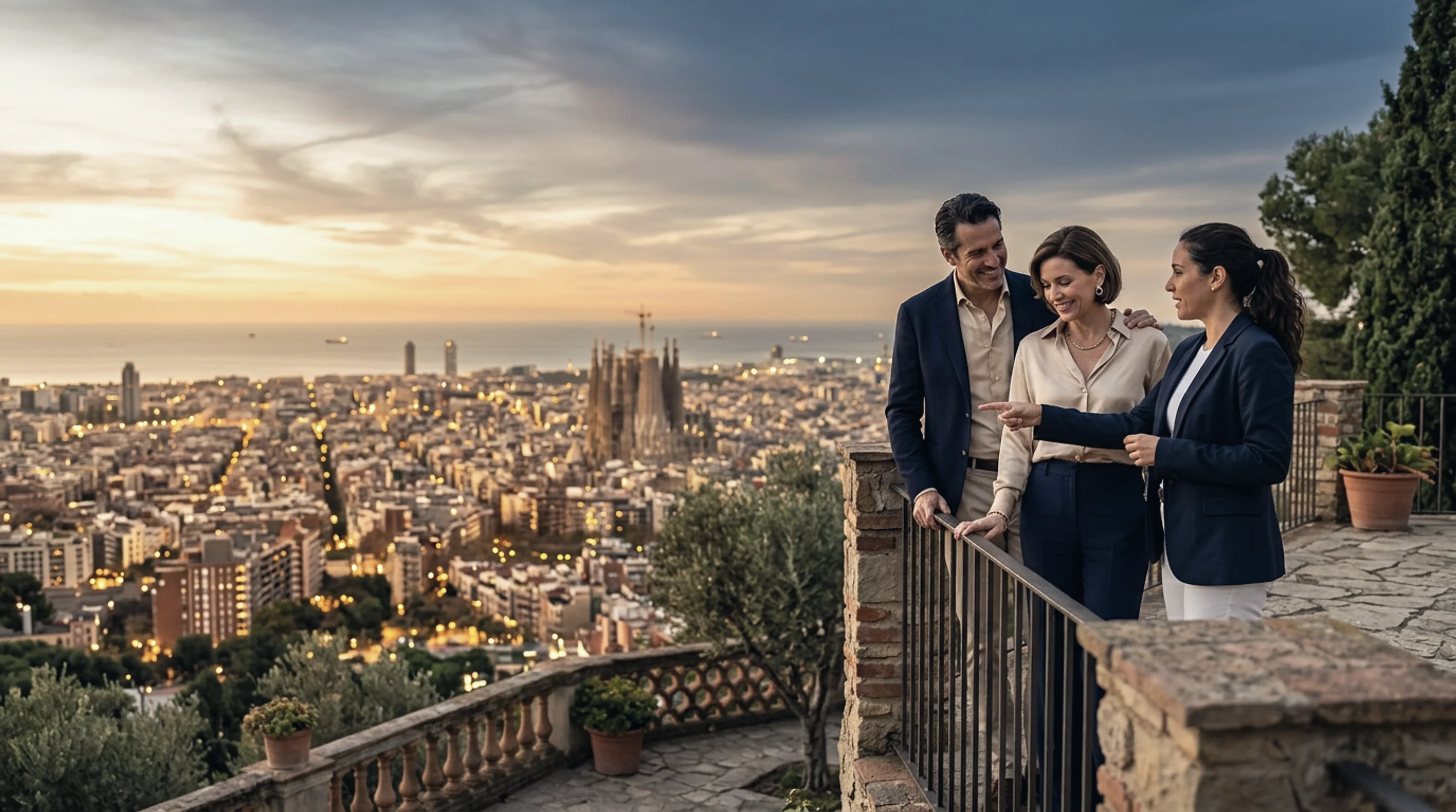
A strong local angle does not mean avoiding well known places at all costs. It means seeing them with better context. A guide might explain why a square was designed a certain way, how a neighbourhood changed over time, or which details visitors often miss. That kind of interpretation turns a familiar stop into something more useful.
When reading descriptions, watch for vague claims. Words like authentic experiences can be meaningful when paired with concrete detail. They mean less when the description is only a string of adjectives. Look for specifics: the districts covered, the themes discussed, the length of the walk and the balance between storytelling and free time. Clear detail usually signals a clearer plan.
Match the route to neighbourhood character
Location matters more than many travellers expect. Barcelona districts have distinct rhythms, and a tour works best when the route suits the mood you want. El Born, for instance, is often chosen for its narrow lanes, historic buildings and lively street life. A route there may feel atmospheric and dense, with plenty to see in a small area.
Other areas may offer broader avenues, seaside views or a more residential feel. The right choice depends on whether you want visual drama, historical depth, food stops or a quieter look at everyday life. Check whether the tour stays in one district or crosses several. A single district allows more depth, while a cross-city route can help you understand how different parts of Barcelona connect.
Also check where the route begins and ends. A tour that finishes near a metro station, a café or another area you plan to visit makes the rest of the day easier. A route that drops you in an unfamiliar place at a awkward time can add stress. If the meeting point is not described in detail, ask for it before committing.
Read the route like a practical plan
Once a tour sounds interesting, read the route as if it were a set of instructions. Count the stops, note the walking distance if it is given, and see where pauses are built in. A plan with many named stops may look generous, but it can leave little time for questions or photographs. A shorter plan may allow better explanation and a more relaxed pace.
Look at the balance between outdoor and indoor time. Barcelona weather can change the feel of a day, and some tours rely heavily on streets and courtyards. If rain or strong sun is likely, check whether the plan has enough shaded or indoor moments. Comfortable shoes matter more than most people think, especially on routes with cobbles or slopes.
Accessibility is another practical point. If anyone in the group has limited mobility, inspect the route carefully rather than assuming that a city tour is gentle. Steps, narrow pavements and historic surfaces can be difficult. When details are unclear, it is better to ask before booking than to arrive and find the day unsuitable.
Check who shapes the story
The difference between a good tour and a forgettable one often lies in the storytelling. Local knowledge is most valuable when it is used to explain context, not just to recite dates. A well framed route connects what you see to the city around it: how a district developed, why a building mattered, how traditions changed, or what a market tells you about the present.
When comparing options, look for signs of thoughtful preparation. Does the description mention themes as well as stops? Does it explain how the guide handles questions? Is the tone respectful of the city and its residents? These details can reveal whether the tour is built around understanding or merely around movement from one landmark to the next.

Names and brands can be useful reference points while you research. For example, some travellers may come across privatetourinbarcelona.com while looking at Barcelona options. Treat any name as a starting point, then judge the actual tour description against your own priorities. The name alone should not replace a careful reading of the route, theme and pace.
Compare group size and level of attention
Group size changes the experience. A small group usually allows more questions, easier movement through busy streets and a more flexible pace. A larger group may feel efficient, but it can make it harder to hear explanations or pause at a detail that interests you. Neither format is automatically better. The right choice depends on how much interaction you want.
If you are travelling with children, older relatives or a mixed group, think about how attention is managed. A route that expects everyone to stay close for long periods may be tiring. Look for tours with clear pauses and a structure that keeps the day readable. If a description promises personal attention, check what that means in practice. It should be reflected in the size and shape of the experience, not just the wording.
Private formats can suit people who want a route shaped around specific interests, such as food markets, architecture or a particular neighbourhood. They also help when the group wants to set a slower pace. The trade off is that the day may feel less spontaneous than joining a lively mixed group. Decide which matters more: control or shared energy.
Look closely at timing and booking terms
Timing can make or break a tour. Morning routes often feel calmer and suit markets or photography. Afternoon routes may fit better with travel schedules, but popular districts can feel busier. Evening walks have a different character, though they may not suit every theme. Match the time to the subject rather than choosing only by convenience.
Check duration carefully. A tour listed as a few hours can still feel long if the pace is dense. Consider what happens before and after. Leave space for meals, transport and rest, especially if you are fitting the tour around flights, train arrivals or other plans. A slight gap in the schedule is often more valuable than one extra stop.
Read the booking terms before paying attention to the attractive parts of the description. Look for cancellation rules, meeting point details, group requirements and any stated limits. Clear terms are not a guarantee of quality, but they help you understand what you are agreeing to. If something is unclear, ask directly and keep the answer for your records.
Use reviews with care
Reviews can help, but they should be read for patterns rather than treated as final verdicts. One glowing comment may reflect a particular guide, date or group. Repeated comments about pace, clarity, route quality and organisation are more useful. Pay attention to complaints as well. If several people mention that a tour felt rushed or hard to hear, that is worth noting.
Also consider the source of the review. A short rating without detail tells you little. A longer review that describes the route and the way information was shared gives you something to compare against your priorities. Try not to be swayed by praise for sights you already know you will see. Focus on comments about how the tour helps people understand them.
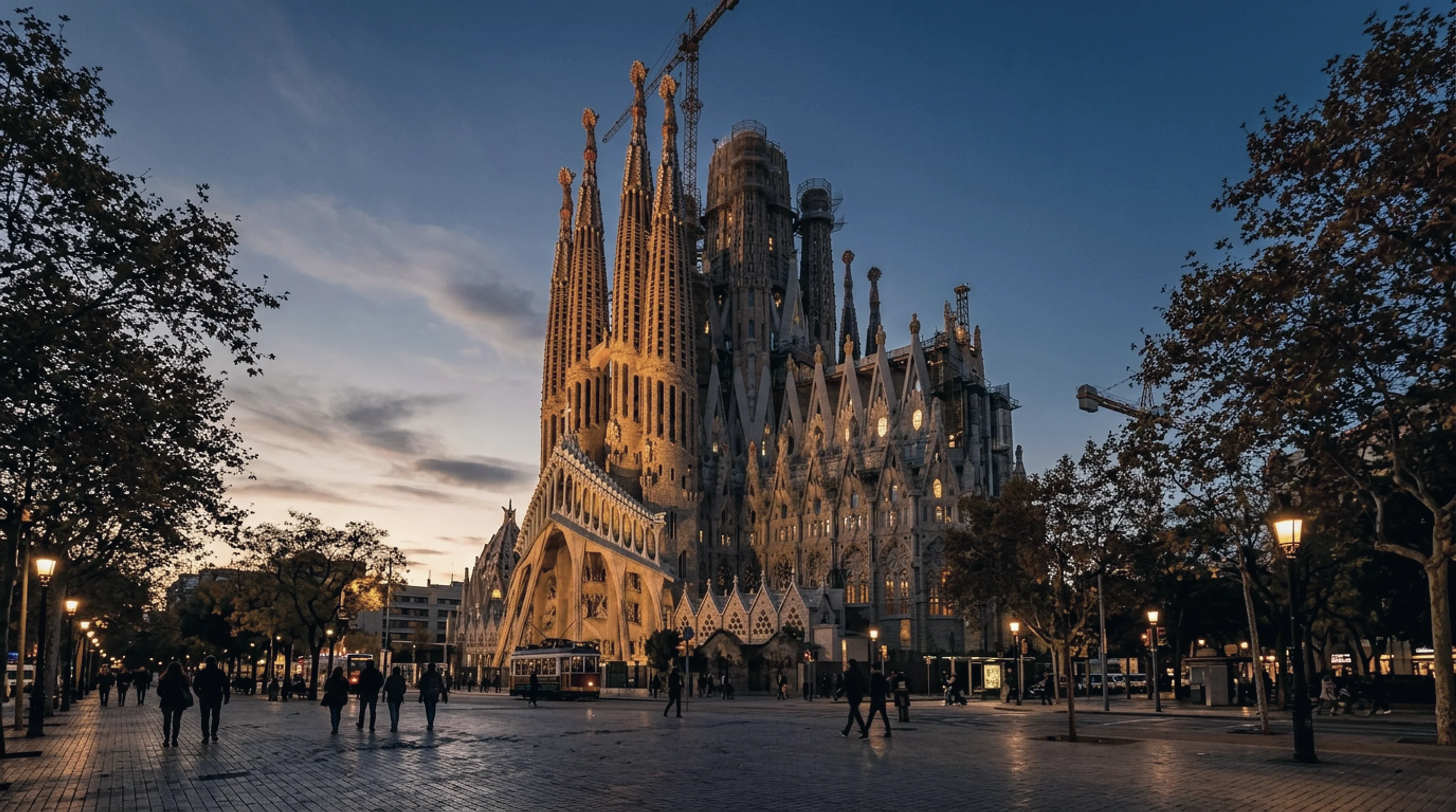
Research often leads travellers between several names and formats. It is reasonable to compare a citywide introduction, a neighbourhood walk and a themed option before deciding. privatetourinbarcelona.com may be one name that appears during that comparison, but the practical question remains the same: does the described day match the way you want to explore?
Make the final choice with a simple test
When you have two or three options left, test each one against the same points. This keeps the decision practical and prevents a beautiful description from hiding an awkward fit.
- Does the theme match what you genuinely want to learn or see?
- Is the route realistic for your pace, mobility and schedule?
- Does the description give enough concrete detail about stops and meeting arrangements?
- Will the group size and format suit how you like to ask questions and move around?
Choose the option that stays strong across all four points. If a tour wins on theme but fails on timing or comfort, it is probably not the best choice. A good fit should feel balanced before the day begins.
After booking, do a little preparation. Check the meeting point, transport options and weather. Read a short background note about the district or theme so the tour can build on what you already know. Leave room in the day for a café stop or a quiet street you notice along the way. The best tours by locals Barcelona offers do not fill every minute. They give you a clearer sense of the city and make the rest of your time there more rewarding.